AI Automation Services Built Around Your Workflows
Reduce repetitive work with practical AI and automation solutions that connect your tools, streamline workflows and improve operational efficiency.
- Design, development, CRM, ERP, software and automation
- 6+ Solution AreasDesign, development, CRM, ERP, software and automation
- Proven tools selected around your business requirements
- 15+ Platforms & TechnologiesProven tools selected around your business requirements
- Every solution starts with your processes, goals and customers
- 100% Business FocusedEvery solution starts with your processes, goals and customers
Spending hours on work that could be automated?
Growing businesses often collect manual processes without realising how much time, money and attention they consume.
- Spending hours every day on repetitive tasks.
- Manually moving information between different tools.
- Losing time waiting for approvals and updates.
- Simple processes taking too many steps and people.
We identify the work costing your team the most time, then automate the right processes so your people can focus on work that actually needs them.
- Save Time
- 01Save Time
- Reduce Errors
- 02Reduce Errors
- Scale Operations
- 03Scale Operations
From Manual Work To Automated Workflows.
We connect the tools you already use, automate repetitive processes and introduce AI where it can create a practical business advantage.
Business Process Automation
Automate repetitive tasks and streamline everyday business workflows.
AI Powered Customer Engagement
Use AI to deliver faster and more personalised customer interactions.
Enterprise Automation & RPA
Automate complex processes and connect systems across your organisation.
n8n Workflow Automation & Integrations
Connect your tools and automate workflows across your business.
AI Automation Consulting & Testing
Identify practical AI opportunities and validate them before implementation.
Lead Nurturing Automation
Automatically follow up, qualify and nurture leads across multiple channels.
Revenue Operations Automation
Automate sales processes, CRM updates, lead routing and reporting.
AI Service Desk Automation
Automate support enquiries, ticket routing and routine service requests.
Finance Operations Automation
Automate invoicing, payments, approvals and financial workflows.
People Operations Automation
Streamline recruitment, onboarding, HR requests and employee workflows.
Intelligent Document Processing
Use AI to extract, classify and process business documents automatically.
Automation Strategy
Identify the right processes to automate and build a practical implementation roadmap.
Want the quick overview?
See our approach, the outcomes and the process for Automation on one page.
A Clear Automation Plan. Real Business Impact.
Every workflow is mapped, prioritised and measured so you know what is being automated, why it matters and what it should save.
- Process Mapping Workshop
- Automation Opportunity Register
- ROI Model Per Workflow
- Built And Tested Automations
- Error Handling And Alerting
- Runbook Documentation
- Team Enablement Session
- 30 Day Stabilisation Support
Your automation should belong to your business, not the person who built it.
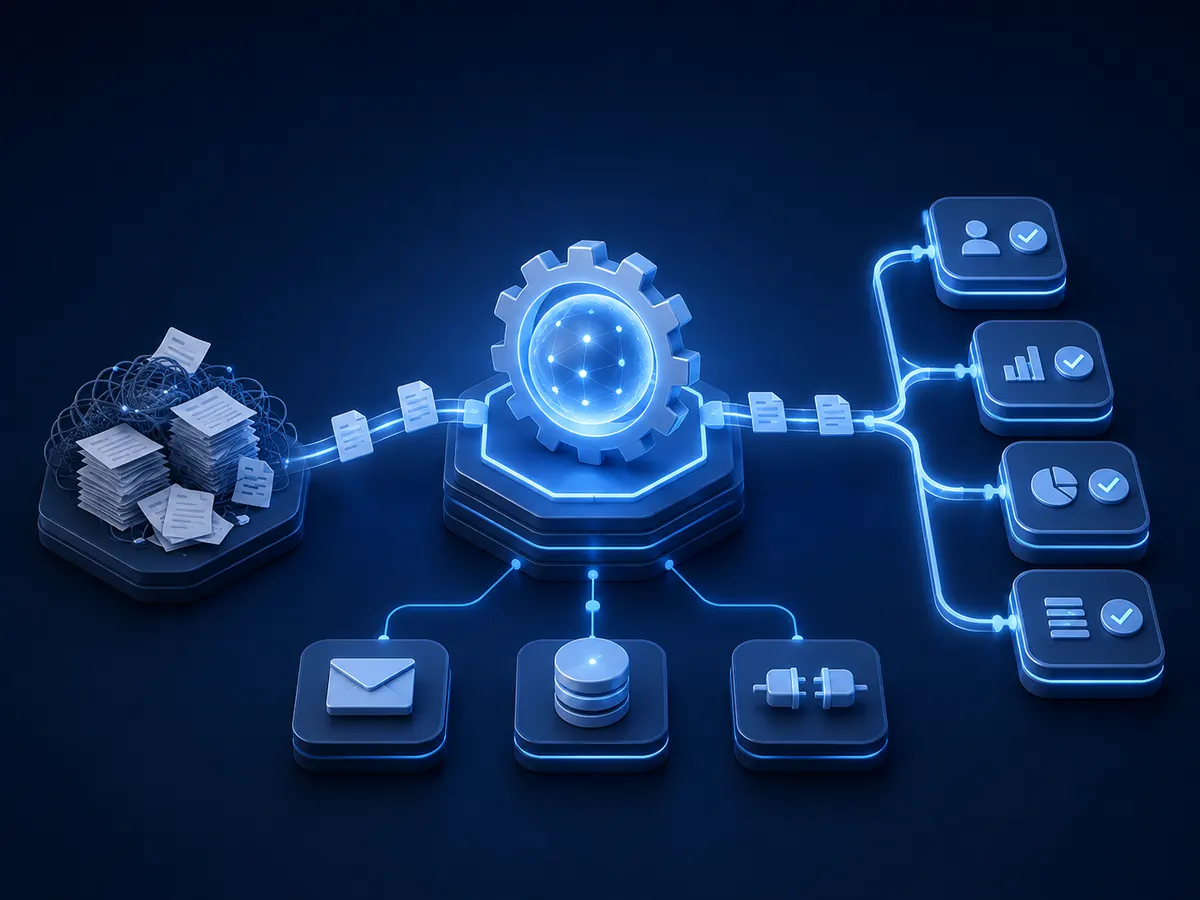
Tools & stack
We use proven automation tools that your team can understand, maintain and build on.


A Clear Path From Manual To Automated.
A practical four step process that starts with understanding the work and ends with a workflow your team can trust.
- Step 0101
Understand The Work
We observe how the process actually happens before deciding what should be automated.
- Step 0202
Prioritise The Opportunity
We compare time saved, error risk and build effort to identify the workflows worth automating first.
- Step 0303
Build & Test
We build the highest value workflow and run it alongside the manual process until your team trusts it.
- Step 0404
Launch & Improve
We train your team, document the workflow and monitor it so the automation keeps working after launch.
Automation, answered straight.
If something is not answered here, ask us directly. You will get a straight answer rather than a sales call.
This work, in practice.
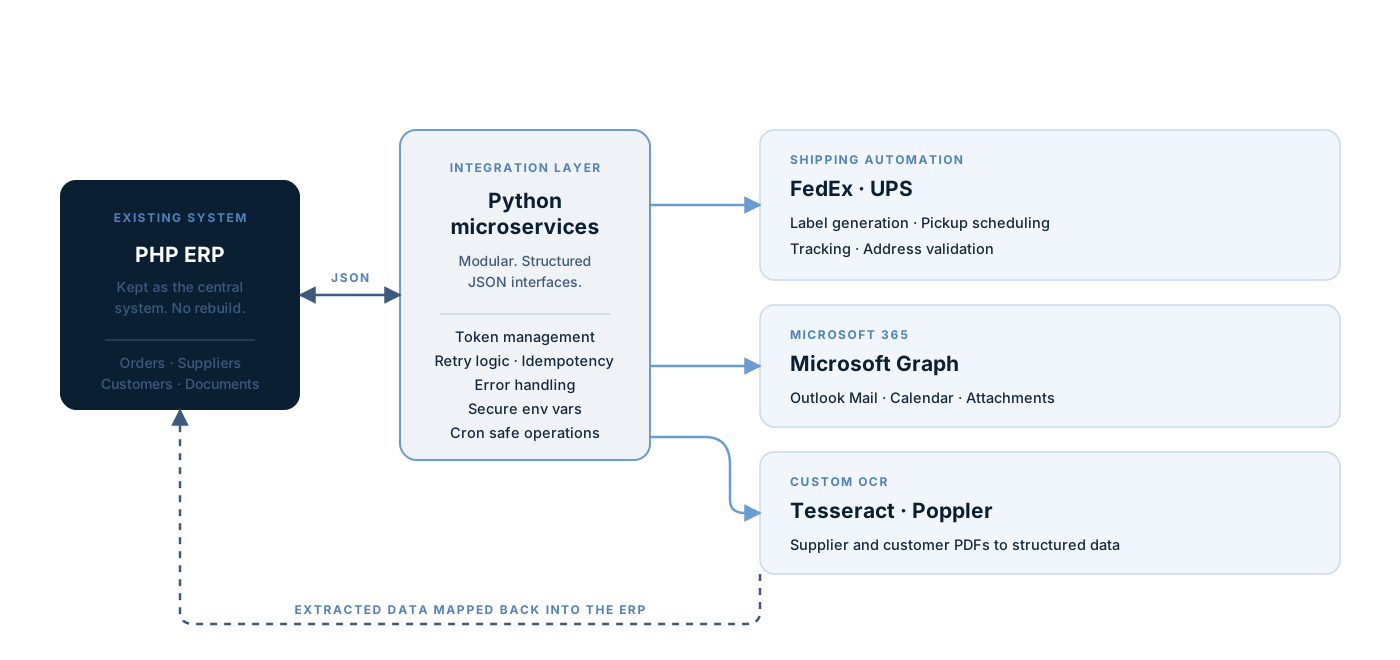
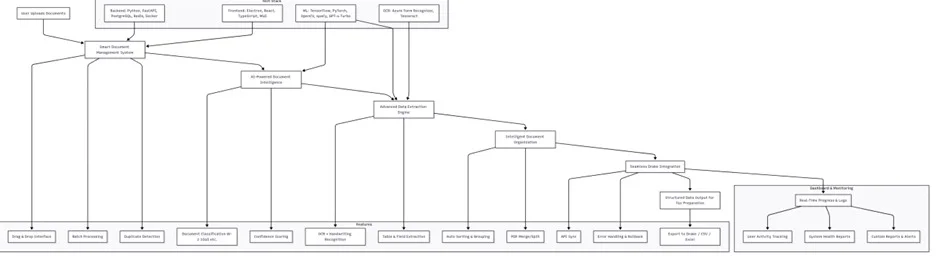
Real engagements in this discipline: what was broken, what we did, and what changed.

Ready to give your team time back?
Tell us which process is slowing your business down. We will identify what can be automated, what it could save and what should happen next.
Typical reply within 4 business hours